
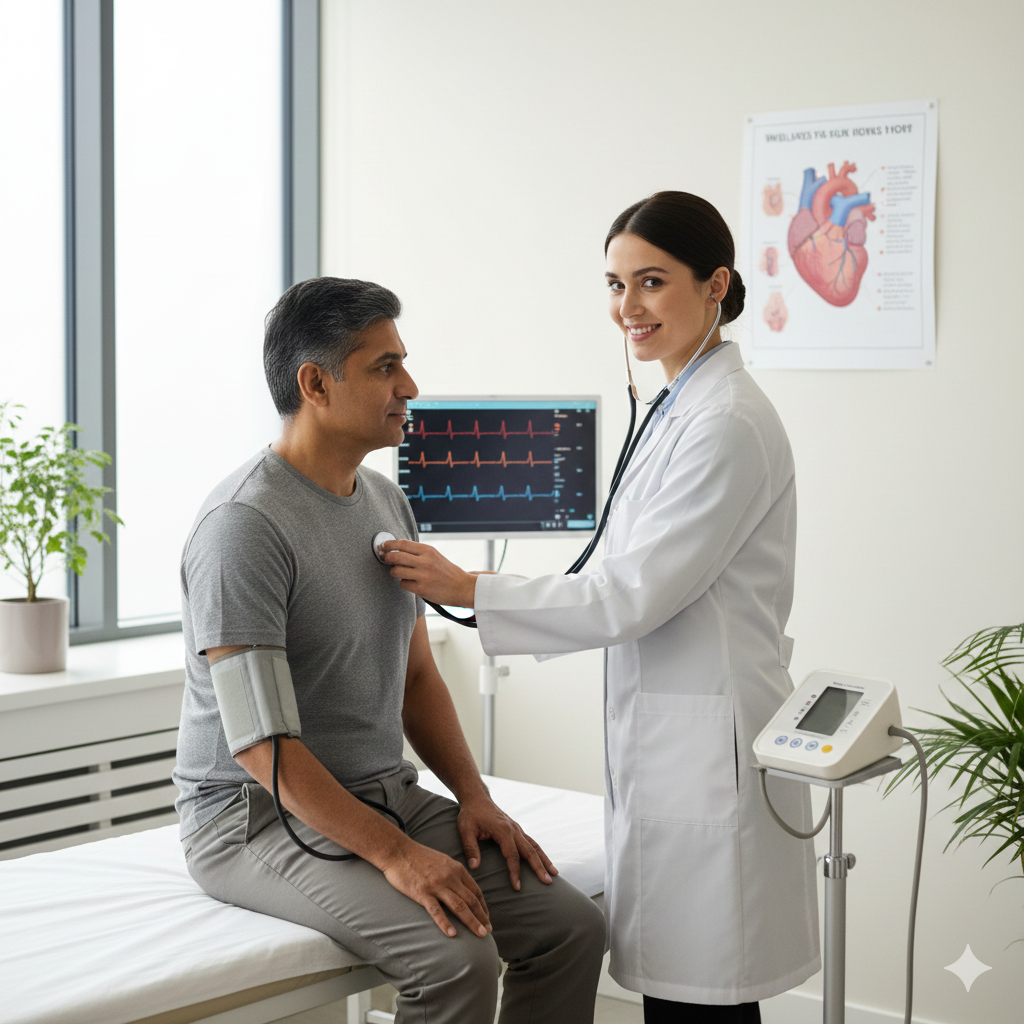
Because heart disease is silent.
Like… properly silent.
Most people imagine a heart problem will start with dramatic chest pain like in movies. But in real life?
It can start with:
- mild breathlessness,
- fatigue you blame on “overwork”,
- acidity-like chest discomfort,
- or, honestly, no symptoms at all.
In many awareness sessions organised across Delhi and Jammu, even younger people — gym-goers, corporate professionals, homemakers — were surprised to learn they already had early signs of heart risk without realising it.
The point is simple:
Heart disease gives hints… but we often ignore them.
Regular check-ups help catch it early — well before anything dangerous develops.
Who Should Get a Heart Check-Up?

(Short answer: More people than you think.)
✔ Age 25–40:
This age group is now showing rising heart risks due to:
- stress
- long sitting hours
- poor sleep
- smoking / vaping
- gym overloading
- family history
- fast-food lifestyle
- weight issues
✔ Age 40–70:
This group must be extra cautious because risk increases with age, especially if you have:
- High BP
- Diabetes
- High cholesterol
- Thyroid issues
- Obesity
- Smoking history
Basically… if you are living in a Tier 1 or Tier 2 city, juggling work, home, stress, late meals, and minimal sleep — your heart deserves a check-up.
What Does a Heart Check-Up Include?
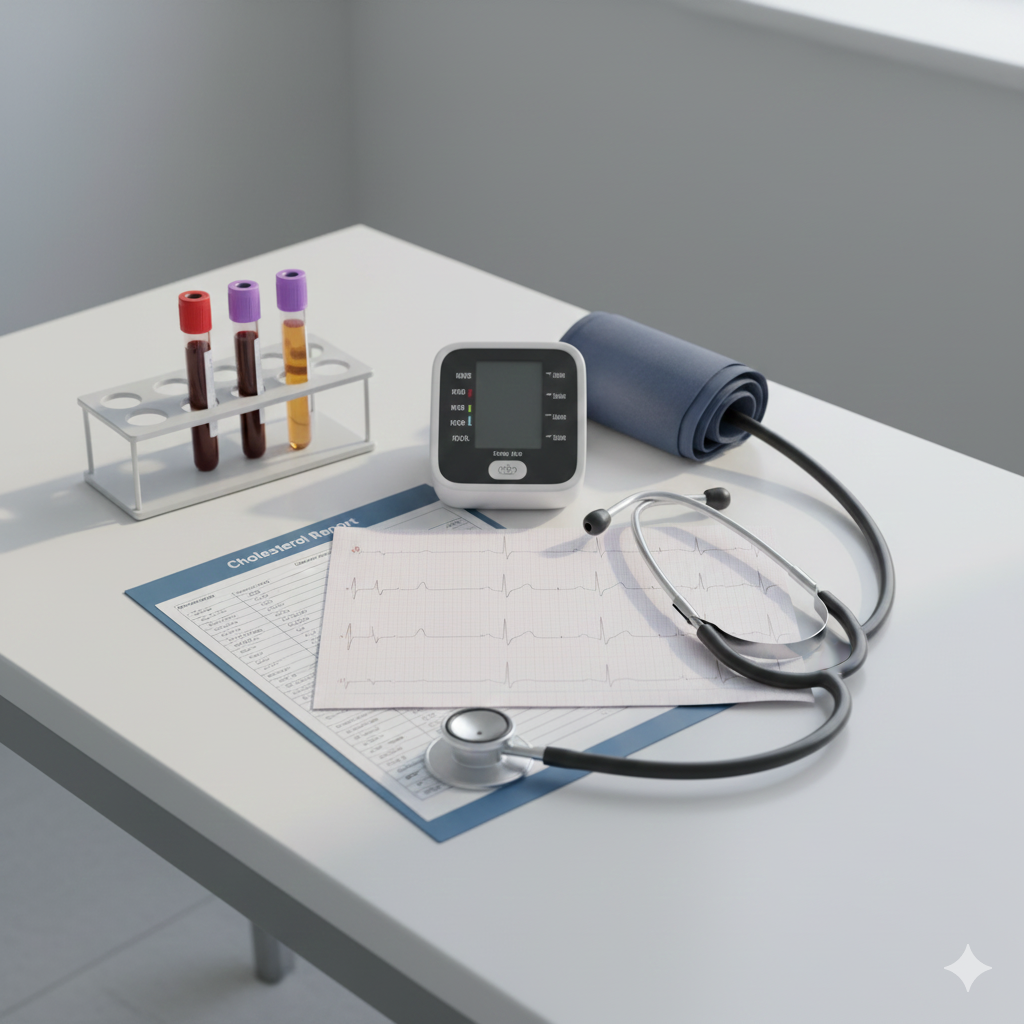
A typical check-up is simple and usually includes:
| Test / Screening | What It Checks | Why It Matters |
| BP Check | Blood pressure | High BP is a silent killer. |
| ECG | Heart rhythm | Detects irregular heartbeat, strain. |
| Cholesterol Profile | LDL, HDL, Triglycerides | Helps prevent blocked arteries. |
| Blood Sugar | Diabetes risk | Diabetes doubles heart disease risk. |
| 2D Echo (if needed) | Heart function | Checks pumping strength, valves. |
| TMT (selected cases) | Exercise capacity | Detects early blockages. |
Most people think heart tests will be expensive or complicated.
But honestly, a basic screening can be done in under 20–25 minutes.
A year has 525,600 minutes.
Your heart is asking for 20 of them.
What Are the Early Warning Signs of Heart Disease?
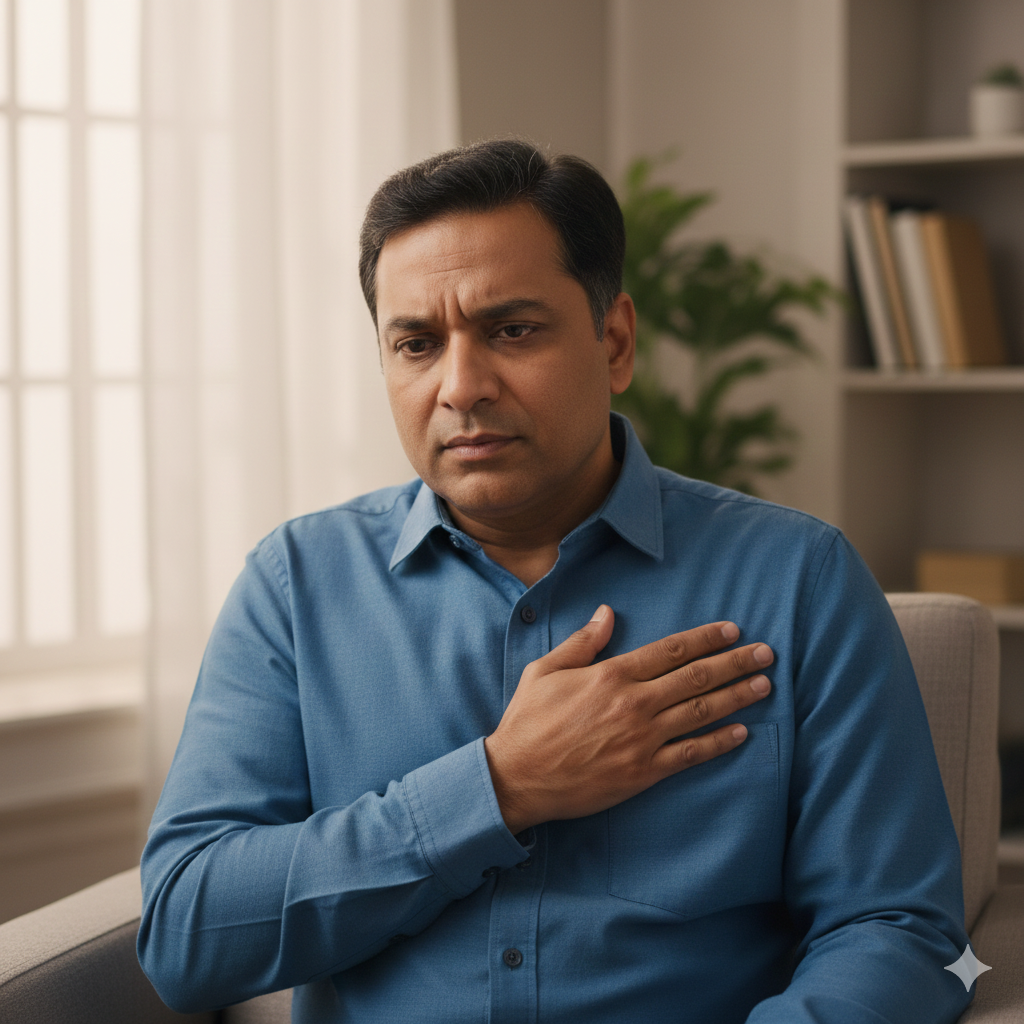
Let’s be real — Indian households are champions at blaming every discomfort on:
- gas
- stress
- tiredness
- weather
But some symptoms are not worth ignoring:
Common Early Signs
- Chest heaviness or tightness
- Breathlessness, especially while climbing stairs
- Fatigue even after normal activity
- Jaw, shoulder, or arm discomfort
- Fast heartbeat
- Swelling in feet
- Unexplained anxiety
Lesser-known signs
(These often surprise people during workshops about heart health conducted by Dr. Swati Mahajan.)
- Acidity-like burning that persists
- Sweating without exertion
- Sleep disturbances
- Dizziness or near-fainting
- “Pins and needles” chest feeling
If any of these sound familiar… it may be time to book a check-up.
Why Early Detection Saves Lives
Think of heart disease like a leak in your house.
If you spot it early — a damp patch, a small crack — you can fix it cheaply and quickly.
But if you ignore it… the wall collapses one day.
Your heart works the same way.
Early detection can:
- Prevent major blockages
- Reduce heart attack risk
- Avoid emergency procedures
- Protect pumping function
- Help you live longer and better
When detected early, even serious conditions become manageable through:
- lifestyle changes
- medicines
- controlled treatment
- regular follow-ups
But if detected late… treatment becomes more complicated.
Early detection is not a luxury.
It’s a life-saving habit.
Common FAQs People Have About Heart Check-Ups

1. “I feel fine. Why should I get tested?”
Because feeling fine doesn’t mean your heart is fine.
High BP, diabetes, and cholesterol remain hidden for years.
2. “I’m young. I go to the gym. Still need a check-up?”
Short answer: Yes.
Many early heart cases in India are now in the 25–40 age group, especially among gym-goers who:
- take pre-workouts
- lift heavy weights suddenly
- skip sleep
- ignore hydration
- have underlying BP issues
A simple check-up before starting or upgrading workouts is smart, not scary.
3. “Can stress really cause heart problems?”
Absolutely.
Stress increases cortisol → increases BP → affects arteries → triggers inflammation.
Chronic stress is as harmful as smoking.
4. “How often should I get checked?”
- Age 25–40: Once every 1 year
- Age 40–70: Once every 6–12 months
More frequently if you have diabetes, BP, or family history.
5. “Is ECG alone enough?”
No.
ECG is a snapshot.
Your heart needs a combination of tests for accurate assessment.
How Lifestyle Is Making Heart Problems Worse in India
Sit for 10 hours → Eat late → Drive everywhere → Sleep late → Stress constantly → Repeat.
Modern life is basically a heart stress test.
Add:
- air pollution,
- high-salt snacks,
- lack of exercise,
- sugar in everything,
- weekend binge drinking…
…and you get the perfect recipe for heart trouble.
This is exactly why regular screenings are becoming essential — not optional.
A Small Story
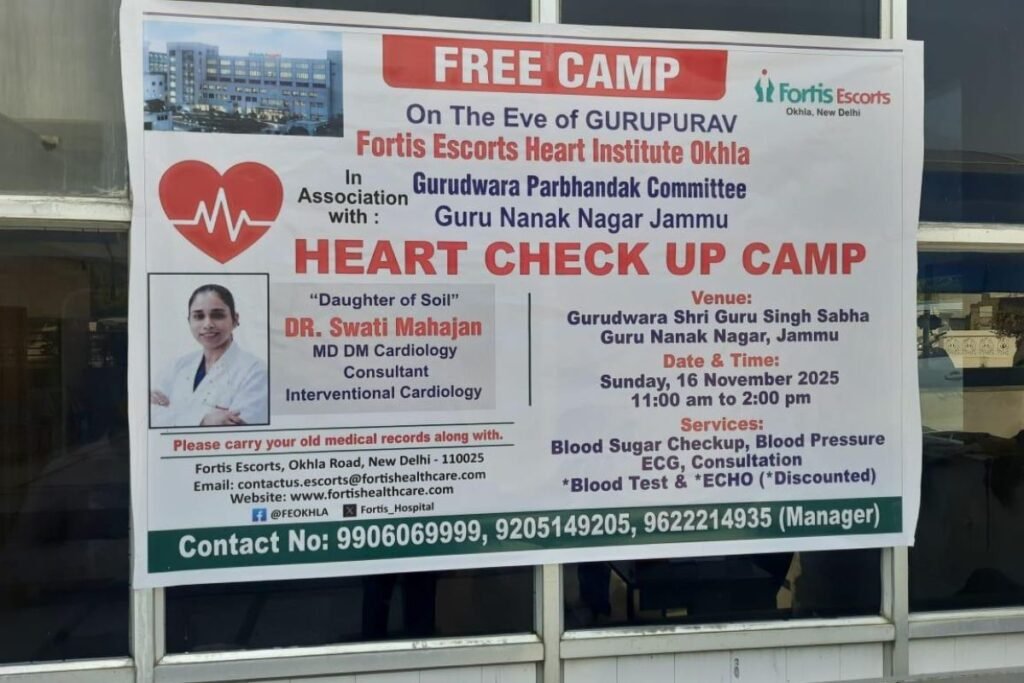
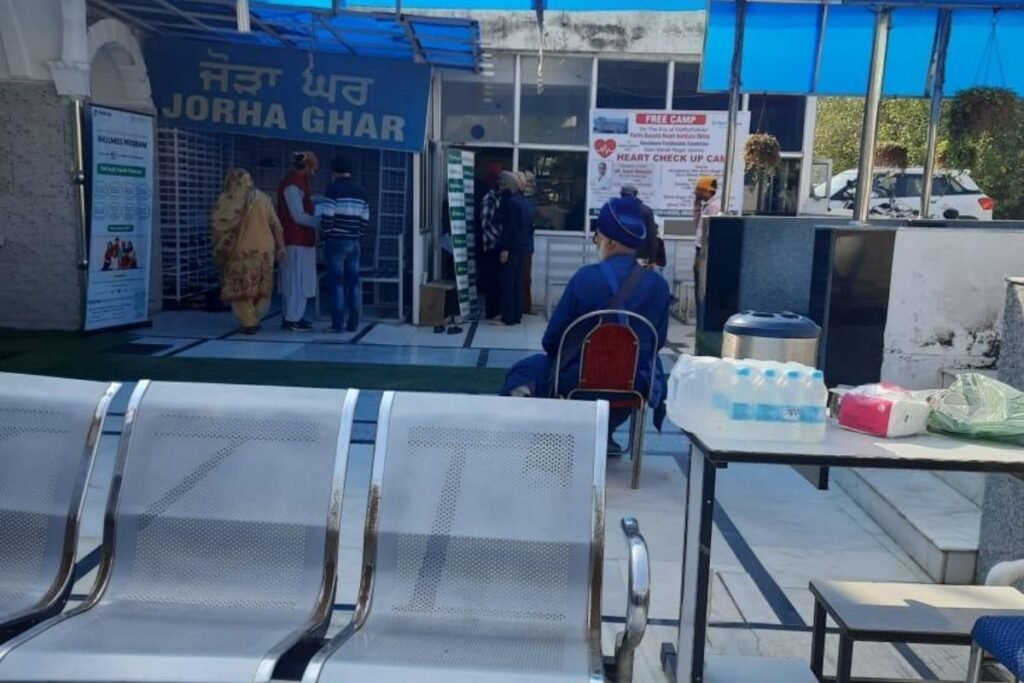
A 32-year-old working professional from Jammu attended a free heart screening camp recently.
No symptoms. Fit-looking. Active.
But his BP was 160/100.
He had no clue.
With timely advice, lifestyle changes, and follow-up tests, he’s now stable and healthier than before.
Stories like these are why community heart camps — like those often organised by Dr. Swati Mahajan — are so important for early detection.
One small check-up prevented a big tragedy.
Lifestyle Tips You Can Start Today (Easy and Realistic)

✔ 30-minute walk
Not gym. Not treadmill. Just… walk.
✔ Sleep 7 hours
Your heart repairs itself during sleep.
✔ Cut salt
We Indians love namkeen, achar, papad — but they love raising BP.
✔ Eat real food
Less packet food. More home food.
✔ Hydrate
Especially for gym-goers.
✔ Keep stress in check
Meditation, music, talking to someone — sab chalta hai.
✔ Quit smoking / vaping
This is non-negotiable.
A Simple Table to Understand Risk Levels
| Age | Risk Level | Why It Matters |
| 25–35 | Rising | Stress + gym pressure + lifestyle choices |
| 35–50 | High | BP, sugar, cholesterol start creeping up |
| 50–70 | Very High | Natural ageing + long-term exposure to risks |
Encouraging a Culture of Heart Check-Ups in India
In many parts of India, especially Tier 1 and Tier 2 cities, people are now becoming more aware… but awareness still needs a push.
This is why heart-health workshops, free screening camps, and community education — like the ones facilitated by Dr. Swati Mahajan — make such a big difference.
When communities learn together, they act together.
And heart health is one topic where early action saves lives.
When Should You See a Healthcare Professional?
Any time you notice:
- persistent chest discomfort,
- shortness of breath,
- unusual tiredness,
- swelling in feet,
- or if you’re just unsure.
It’s okay to get checked. It’s normal. In fact, it’s wise.
Your heart is not a machine.
It’s a living organ that responds to your daily habits.
Listen to it now… so you don’t regret it later.
Conclusion — Your Heart Is Talking. Are You Listening?
If there’s one thing you take away from this blog, let it be this:
Heart check-ups are not for old people.
They’re for everyone who wants to stay alive, healthy, and active.
A 20-minute test can save decades of life.
So whether you’re 28 and hitting the gym, 38 and balancing work-family chaos, or 58 and managing BP — give your heart the attention it deserves.
And anytime you want reliable, evidence-based heart health information, the resources at
👉 https://drswatimahajan.com/
can guide you in the right direction.
Stay aware. Stay healthy. Stay kind to your heart.
