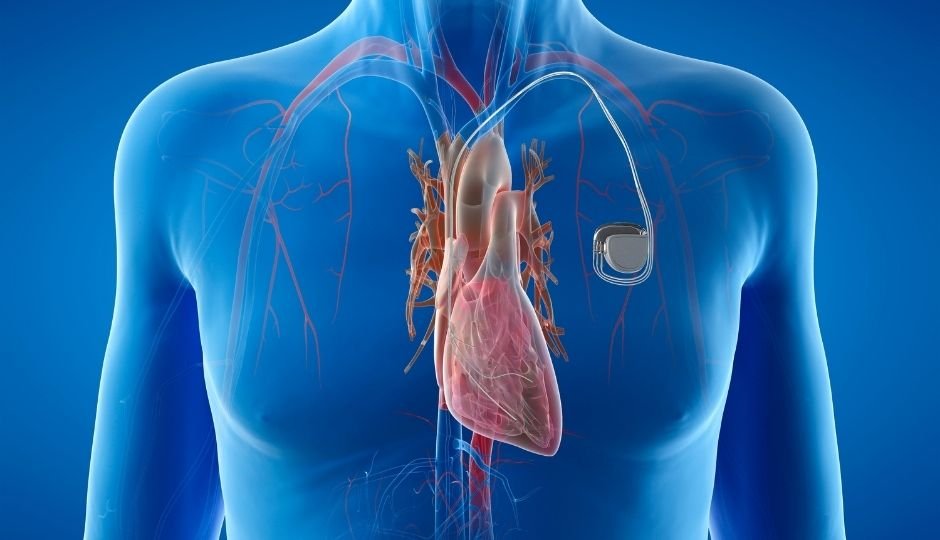
What is Device Implantation in Cardiology?
Device implantation includes procedures where small electronic devices are placed inside the body to help control heart rhythm and improve heart function.
👉 In simple terms:
These devices help the heart beat properly, prevent dangerous rhythms, and improve pumping.
When do you need these devices?
You may need a heart device if you have:
- Slow or irregular heartbeat (arrhythmia)
- Risk of sudden cardiac arrest
- Weak heart pumping (heart failure)
- Unexplained fainting or dizziness
👉 These devices can be life-saving and improve quality of life.
How do these procedures work?
- A small device is placed under the skin (usually near the chest)
- Thin wires (leads) are connected to the heart
- The device monitors and controls heart rhythm continuously
⏱️ Most procedures are done under local anesthesia with short hospital stay.
Types of Devices Explained
Pacemaker
Helps control slow heart rate
👉 Keeps heartbeat regular
AICD (Implantable Defibrillator)
Detects dangerous rhythms and gives a shock to restore normal rhythm
👉 Prevents sudden cardiac death
CRT (Cardiac Resynchronization Therapy)
Improves heart pumping in heart failure patients
👉 Helps both sides of heart beat together
Loop Recorder
A small device that records heart rhythm for long duration
👉 Helps detect hidden rhythm problems
Lead Extraction
Procedure to safely remove old or damaged device wires (leads)
Benefits of Device Implantation
- Maintains normal heart rhythm
- Prevents life-threatening complications
- Improves heart function
- Reduces symptoms like dizziness and fainting
- Enhances overall quality of life
Are these procedures safe?
Yes, device implantation is a safe and commonly performed procedure.
- Done in a controlled hospital environment
- Minimal incision and quick recovery
- Regular follow-up ensures proper functioning
Why choose Dr. Swati Mahajan?
- Expertise in advanced cardiac device implantation
- Experience with pacemakers, ICD, and CRT devices
- Safe and precise procedures
- Personalized patient care and follow-up
- Focus on long-term heart health
FAQs – Cardiac Device Implantation
Is pacemaker surgery major?
No, it is a minor procedure done under local anesthesia.
Will I feel the device inside my body?
You may feel a small bump, but it does not affect daily life.
How long do these devices last?
Most devices last 5–10 years depending on usage.
Can I live a normal life after implantation?
Yes, most patients return to normal activities with some precautions.
Is follow-up required?
Yes, regular check-ups are needed to monitor device performance.