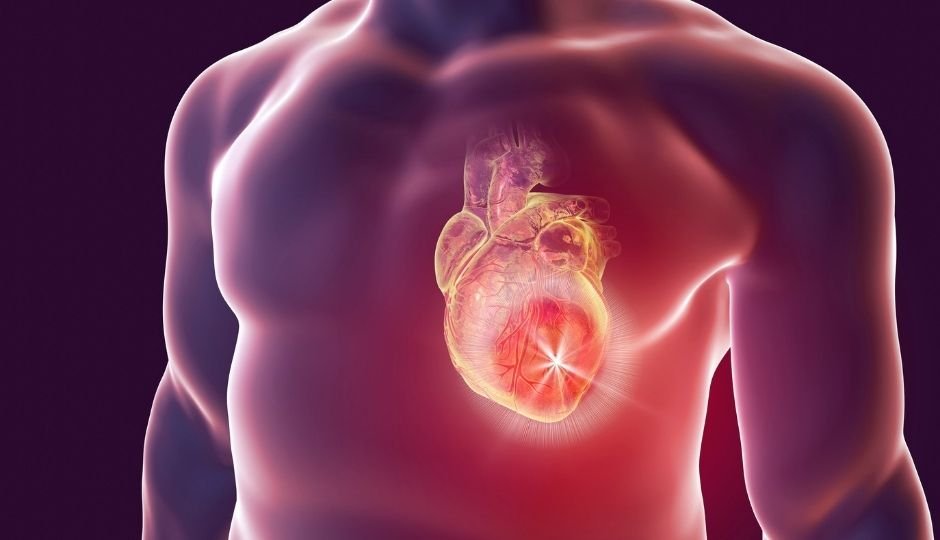
What is Stroke & Vascular Risk Management?
This focuses on preventing stroke and managing blood vessel (vascular) diseases that affect blood flow to the brain, heart, and body.
👉 In simple terms:
It helps prevent blood clots, blockages, and serious complications like stroke.
Why is this important?
- Stroke can cause permanent brain damage
- Blood clots can be life-threatening
- Early detection can prevent serious complications
👉 Proper care can save life and prevent disability.
Conditions Covered
Carotid Artery Disease
Narrowing of neck arteries supplying blood to the brain
👉 Increases risk of stroke
Stroke Prevention in Atrial Fibrillation
Irregular heartbeat can cause clot formation
👉 Clots may travel to brain and cause stroke
Peripheral Vascular Disease (PVD)
Poor blood flow in legs due to blocked arteries
👉 Causes pain, weakness, or walking difficulty
Deep Vein Thrombosis (DVT) & Pulmonary Embolism (PE)
- DVT: Blood clot in deep veins (usually legs)
- PE: Clot travels to lungs (serious condition)
👉 Needs urgent treatment
How is risk managed?
- Blood thinning medicines (anticoagulants)
- Lifestyle changes (diet, exercise, smoking control)
- Regular monitoring and check-ups
- Interventional procedures (if required)
Benefits of Proper Management
- Reduces risk of stroke
- Prevents clot formation
- Improves blood circulation
- Reduces long-term complications
- Improves overall health and safety
Warning Signs You Should Not Ignore
- Sudden weakness or numbness
- Difficulty speaking
- Loss of balance
- Leg pain or swelling
- Sudden breathlessness
⚠️ Immediate medical help is important in such cases.
Why choose Dr. Swati Mahajan?
- Expertise in stroke and vascular risk management
- Early detection and prevention-focused approach
- Personalized treatment plans
- Use of advanced diagnostic and treatment methods
- Long-term patient monitoring and care
FAQs – Stroke & Vascular Care
Can stroke be prevented?
Yes, with proper treatment, medicines, and lifestyle changes.
Who is at high risk of stroke?
People with high BP, diabetes, atrial fibrillation, smoking habits, or family history.
Is DVT dangerous?
Yes, if untreated it can lead to pulmonary embolism.
Do blood thinners need lifelong use?
In some cases yes, depending on risk level.
When should I see a doctor?
If you have symptoms like weakness, swelling, or irregular heartbeat.