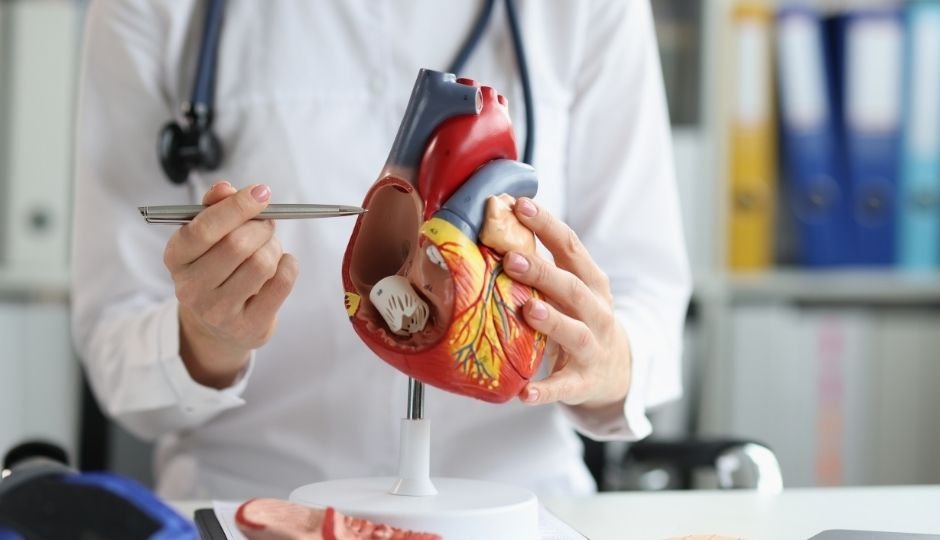
What is Structural Heart Disease?
Structural heart disease means problems in the heart valves or heart structure (like holes in the heart).
👉 In simple terms:
These are conditions where the shape or parts of the heart are not normal and need correction.
What are these procedures used for?
These advanced procedures help treat:
- Narrow or leaking heart valves
- Congenital heart defects (holes in the heart)
- Risk of stroke due to blood clots
- Weak or damaged heart structures
👉 Most treatments are done without open heart surgery.
How do these treatments work?
- A thin tube (catheter) is inserted through a blood vessel
- It is guided to the heart
- A device is placed to repair or replace the problem area
👉 No large cuts, faster recovery, and less pain.
Types of Structural Heart Treatments
TAVR (Aortic Valve Replacement)
Replaces a damaged aortic valve without open surgery
👉 Ideal for high-risk or elderly patients
MitraClip (Mitral Valve Repair)
Repairs a leaking mitral valve using a clip
👉 Improves symptoms like breathlessness
ASD / VSD / PDA Closure
Closes abnormal holes in the heart using a device
👉 Prevents long-term complications
PFO Closure
Closes a small opening between heart chambers
👉 Helps reduce stroke risk
LAA Occlusion
Blocks the left atrial appendage to prevent clot formation
👉 Used in patients with atrial fibrillation
Benefits of Structural Heart Procedures
- No open heart surgery in most cases
- Faster recovery and shorter hospital stay
- Less pain and minimal scars
- Improved heart function
- Reduced risk of stroke and complications
Are these procedures safe?
Yes, these are advanced and safe procedures when done by experienced specialists.
- Performed in a specialized cath lab
- Continuous monitoring during procedure
- High success rates in suitable patients
Why choose Dr. Swati Mahajan?
- Expertise in structural heart interventions
- Experience in advanced procedures like TAVR and MitraClip
- Patient-specific treatment planning
- Use of latest techniques and devices
- Focus on safety and long-term results
FAQs – Structural Heart Treatments
Do these procedures require open surgery?
No, most are done using catheter-based (minimally invasive) techniques.
Who is suitable for TAVR or MitraClip?
Patients who are high-risk for surgery or have specific valve problems.
Is recovery quick?
Yes, recovery is much faster compared to open heart surgery.
Are these procedures permanent?
Yes, most devices are long-lasting and provide durable results.
Is follow-up required?
Yes, regular follow-up is important for long-term success.